


Asistență educațională

Calea dvs. către aplicație
Pentru a beneficia de ajutorul pentru creșterea copilului, trebuie doar să depuneți o cerere neoficială de ajutor pentru creșterea copilului la biroul de asistență socială pentru tineret.
Tinerii adulți își depun candidatura în mod independent.
Aplică acum
De ce ar trebui să specific o locație?
Cu ajutorul informațiilor despre locație, putem afișa informațiile, formularele și serviciile potrivite pentru dvs. și biroul dvs. responsabil.
Ce locație ar trebui să specific?
De exemplu, locul dvs. de reședință dacă doriți să solicitați un pașaport sau locația companiei dacă doriți să înregistrați o afacere.
Birourile de asistență socială pentru tineret și organizațiile independente sunt responsabile de asistența educațională.
Serviciile sunt utilizate fără prea multă birocrație și sunt întotdeauna tratate confidențial.
Costurile de asistență educațională sunt întotdeauna suportate de biroul de asistență socială pentru tineret.
În unele cazuri (de exemplu, îngrijirea rezidențială), cei afectați pot, de asemenea, să participe la costurile din aval. Biroul de asistență socială pentru tineret va verifica dacă și în ce măsură părinții pot contribui la costuri. Evaluarea ia în considerare capacitatea celor responsabili de a contribui la costuri.

Explicație simplă
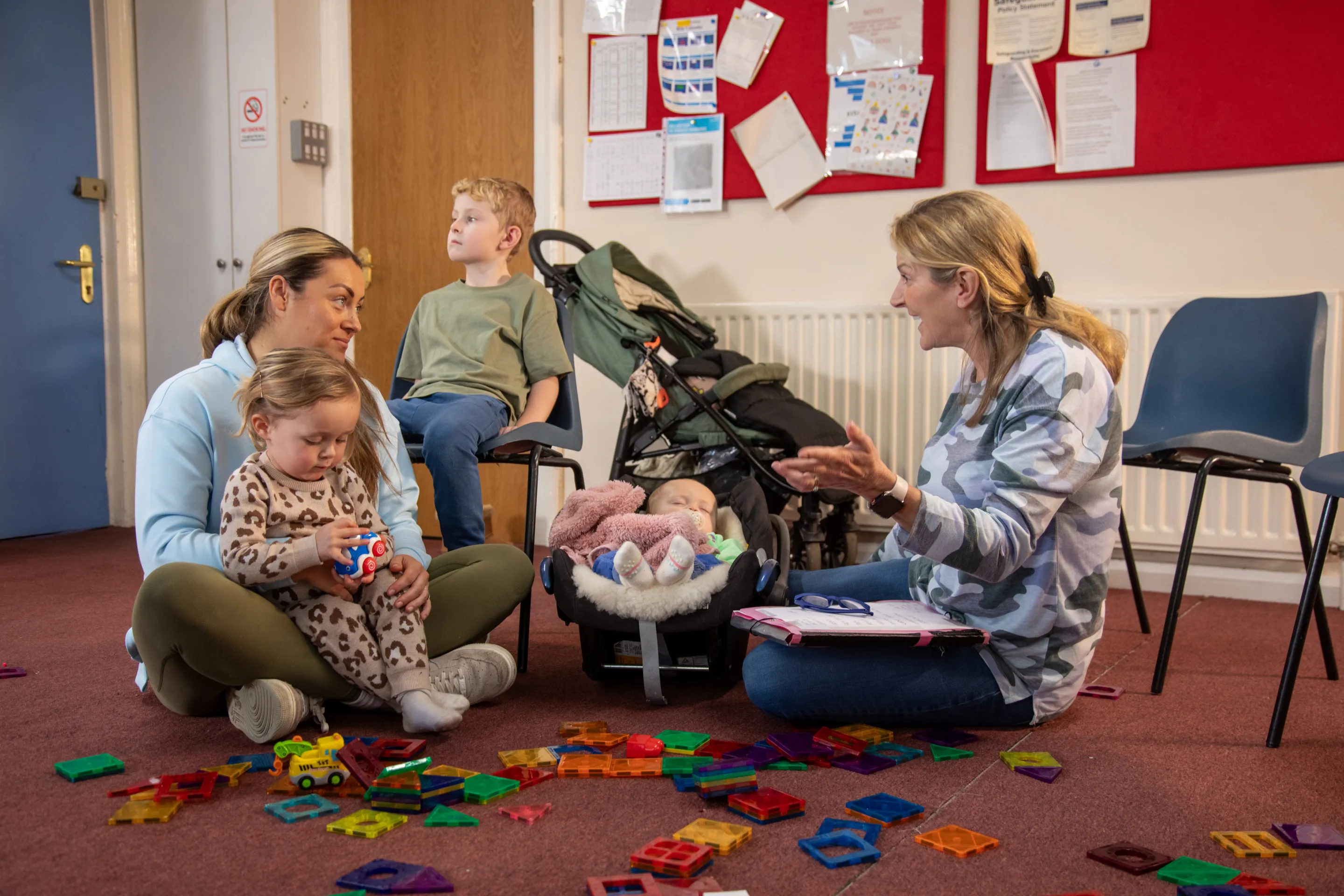
In every family there is a quarrel from time to time. Quarrels between parents or between parents and children. When the quarrels become more and more frequent, it is a great burden. Parents and children sometimes need support. Educational aids offer this support. Help for upbringing is the name for various offers of help with problems and in crisis situations of families.
If you would like to receive help from the Youth Welfare Office, you must contact them. The help is not obligatory, but an offer. The first step is often a consultation with the Youth Welfare Office. There you can explain your problem. The staff can give you suggestions on how to solve the problem.
Children, adolescents or young adults can also get help from the Youth Welfare Office on their own. The parents do not have to know about this if the young people do not want it.
The help for upbringing is based on the interests of the child or young person. The basis for the granting is the help plan procedure. In the help plan procedure, the custodians, the children or adolescents and the youth welfare office are involved.
There are different types of help for upbringing:
- A pedagogue advises and supports parents in questions of upbringing (educational counseling).
- A therapist tries to help the family in group sessions (social group work).
- A psychological or social pedagogical specialist tries to help individual family members (educational assistance).
- Children get help when parents have a mental illness.
- Promoting the child's or adolescent's independence while maintaining a connection to the family (care assistant).
- Care and provision for a child in an emergency situation. For example, the child may be placed in a foster family or residential home for a certain period of time (home education or supervised living arrangements and intensive individual socio-educational support).
- For children with mental disabilities, there is also the integration assistance (does not belong to the assistance for upbringing). Of course, they are also entitled to help in raising children. The assistance and the integration assistance can be granted side by side or in combination.

Ce cerințe trebuie îndeplinite?
Educational assistance is considered when it is clear that it will help the children concerned and that without it, an upbringing that is in the best interests of the child or adolescent cannot be guaranteed.
An important prerequisite for the success of the service is your willingness to accept help and to work on changes.

Ce altceva este important?

Întrebări frecvente și răspunsuri
Știați deja? Mai multe beneficii pentru familii

Ați putea fi interesat și de



Informații suplimentare Linkuri pentru a citi mai multe
