


Media education in the family
"Parents have a role model function."
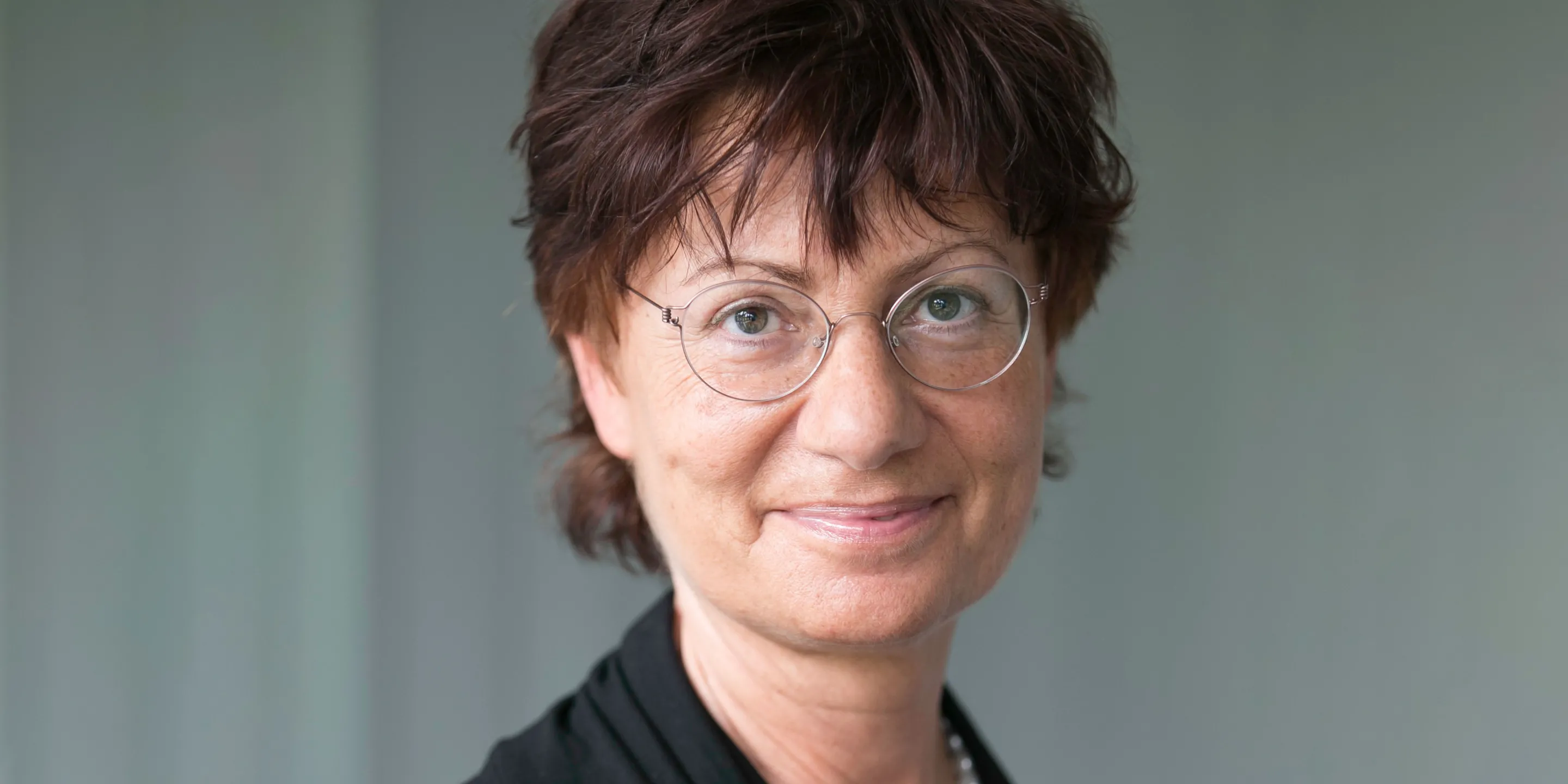
An interview with Verena Weigand from the association Programmberatung für Eltern e. V.
Digital media have become an integral part of everyday family life. Parents also use smartphones and tablets every day. They play a key role in shaping their children's usage behavior and are also responsible for media education. Clear rules agreed within the family can help here.
Verena Weigand: The basic rule is that there have to be rules in the family that everyone sticks to. For example, media-free times are helpful. This could be at mealtimes, before bedtime or during homework. This should also apply to parents at mealtimes and screens should be turned off before school. Of course, it is also very important to agree rules with the children for the media times themselves, i.e. for their use. These must always fit in with the family and everyday family life. So it's important that they don't stay too long and, if possible, not every day. For primary school children, it is advisable to create and issue a weekly quota.
As always with rules, there are also exceptions. For example, if the weather doesn't play along or the child is sick in bed, you can skip the media-free time and extend the media time a little. On another day, for example, you can leave the screen off or play outside.
It is also very important that parents act as role models. This means that children are always guided by their parents' behavior. It is therefore important to pay attention to your own media use. Another important aspect is making the right choice. Primary school children always have their own preferences, but they are still relatively open to suggestions from parents and choosing together is of course the best thing, it's also fun and parents can still have a bit of control. When choosing, you should make sure that the individual contents are not so long, i.e. only a full feature film now and then, and that moments of relaxation and humor are important at this age. Of course, it's great if you can get children interested in magazines and news that broaden their horizons.
At flimmo.de you can filter the content by age and there are also recommendations for particularly good content. However, not all content always has to be of educational value.
Primary school children gradually want to choose what they wear or play with themselves. The influence of friends is becoming increasingly important. What's hot in the playground is naturally exciting and children will always come up with things that their parents don't know yet. The Flimmo is of course the perfect place to go. They can let you know what the current media trends are that children are interested in and where parents need to know more about what it's all about. Flimmo keeps an eye on the topics in the school playground and provides information. This could be Squid Game, Huggy Wuggy or the war in Ukraine. Whether it's new releases in cinemas or streaming providers, highlights in media libraries or what's currently on TV. At www.flimmo.de, parents can find comprehensive information. They can find recommendations for children's films worth watching, children's series and reviews if they are not yet familiar with something.
Parents should first find out what was so overwhelming for their child? Was it a scary character? Perhaps a scary storyline? Or the current news situation? And how does this overload manifest itself? Does the child wake up every night or does it draw a scene over and over again? Does it ask a lot of questions? Maybe they don't dare go to the cellar anymore?
How parents can react: It is important to go inside the situation. If parents notice that children become anxious while consuming media, it is best to go into the situation and not leave the child alone. Children's fears should be taken seriously and parents are exactly the right people to comfort a child. Statements such as "It's not that bad" or "You don't understand yet" don't help children. It is better to take their fears seriously, to comfort them and to try to help them deal with their insecurities. Explanations can also help children of primary school age. A movie, for example, is made particularly scary by certain means.
Topics such as war or scary phenomena on the internet also require explanations and classification from parents. It can help young children to process impressions through play or to draw a picture. Parents should then encourage this. For older children, conversations and concrete information are more important. In general, it is always a good idea to keep a close eye on how children consume media and not just look at the content, but also at the child itself. This way, you will notice if something is causing problems and can react accordingly.
About Verena Weigand
Verena Weigand is chairwoman of the board of the association Programmberatung für Eltern e. V. This association publishes Flimmo, the parents' guide to TV, streaming and YouTube. She was also head of media literacy and youth protection at the BLM (Bavarian Regulatory Authority for New Media) for many years.
You might also be interested in
Further information Links to read more

