

Jealousy in a sibling
An overview of the most important facts about jealousy in siblings
- An additional baby brings joy but also change to the family. This can cause jealousy in the older child - a normal reaction to the new family situation.
- Children are often afraid of being loved less or losing attention.
- Typical reactions are, for example: Anger, withdrawal or the desire to be "a baby" again too.
- Good preparation helps the child to better understand the changes.
- Fixed rituals and exclusive time with parents provide security.
Understanding and supporting jealousy in a sibling
An additional child enriches family life - and at the same time brings changes for the whole family. While everything revolves around the baby, the older child often finds it difficult to share the parents' attention - jealousy is not uncommon. Here you can find out how you as parents can support and strengthen your child during this time.


New baby: Why the older child reacts jealously
When a baby joins the family, it also brings a lot of new things for the older child. Many children are very excited about their little sibling and take loving care of the baby. At the same time, however, feelings such as jealousy or envy can also arise. This is quite understandable: until now, the older child has been the focus of parental attention. With the birth of the baby, it now has to share this with its little brother or sister. The child also experiences a change in familiar everyday routines. This increases many children's fear of being less loved or no longer being as important as before. At the same time, they do not yet understand why the baby needs so much time and attention and feel less seen. Jealousy is therefore a completely natural reaction to this new and unfamiliar situation.
Typical reactions in older children can be:
- They want to be treated like a baby again.
- It is quicker to react angrily or defiantly.
- It withdraws or clings strongly.
- It rejects the baby.
- It asks if the baby can be given away again.
This kind of behavior is completely normal at first. Your child needs time to get used to the new situation.
What role do the age and development of the older child play?
Children are often around two to four years old when a sibling enters their lives. At this age, they are only slowly beginning to understand what "time" means. They experience the world primarily in the here and now. They perceive many things from their own perspective and do not yet have a clear picture of what the future will look like.
While you as parents know that family life will settle down over time, it can feel to your older child as if the current situation will remain the same forever. This makes it all the more important to treat your child with patience and understanding.
Preventing jealousy: What can you as parents do to prepare your child for the baby?
You can prepare your child for the new family situation before the baby is born and thus reduce any uncertainties:
The baby is here: what you can do now to combat jealousy
-
Take feelings seriously
Take your child's feelings seriously and show understanding. Avoid playing down feelings (for example: "It's not that bad").
-
Giving physical closeness
Make sure that you continue to give your older child enough physical closeness and affection.
-
Talk to the baby before the child
Show your child that the baby doesn't always come first. Say it out loud to the baby when it's the big child's turn: "Now your big sister is hungry and is getting something to eat, now you have to wait a moment."
-
Time just for the big kid
Plan small moments just the two of you and consciously take time for your older child, especially for important rituals such as putting them to bed.
-
Involving the older child
Let your child help in an age-appropriate way if they want to. This will make them feel included and an important part of the family.
-
Don't force people to share
Your child will have to share your attention with the baby from one day to the next. So let them decide for themselves at the beginning whether they want to share their toys with their brother or sister, for example.
-
Maintain rituals
Familiar routines provide security - for example, cuddling when waking up or reading aloud together in the evening.
-
Promote positive moments
Praise friendly behavior between siblings: "How sweet that you brought the baby the blanket!"
What to do if the older child is rough with the baby?
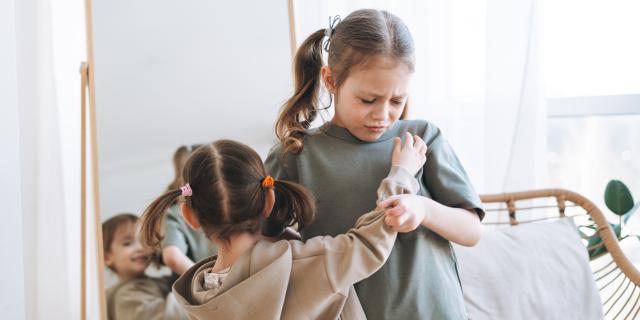
Sometimes children take their feelings out on the baby. They are rough, push or pinch. This is often frightening for parents. It is important to intervene to protect the baby - but remain calm and calmly explain to your older child that the baby must not be hurt. Avoid getting angry or reproachful.
Your older child's behavior is usually not malicious, but rather a result of being overwhelmed by the new situation. Try to put your child's feelings into words so that they feel seen, but also make boundaries clear: "You're angry because I'm with the baby, that's perfectly okay. But we're not pinching or hitting anyone."
Teach your child how to be gentle with the baby and praise careful behavior. Also give him opportunities to express his feelings in other ways - for example through movement, play or conversation. With plenty of attention and clear boundaries, your child will gradually learn to cope well with the new family situation.
Where can we find help and advice?
If your child's jealousy is putting a strain on the family, if your child reacts very aggressively to the baby or is very withdrawn, it may make sense to seek support.
Family counseling centers offer guidance and help here. You can find contact points in your area via Mein Famillienlotse.
You might also be interested in

Further information Links to read more
