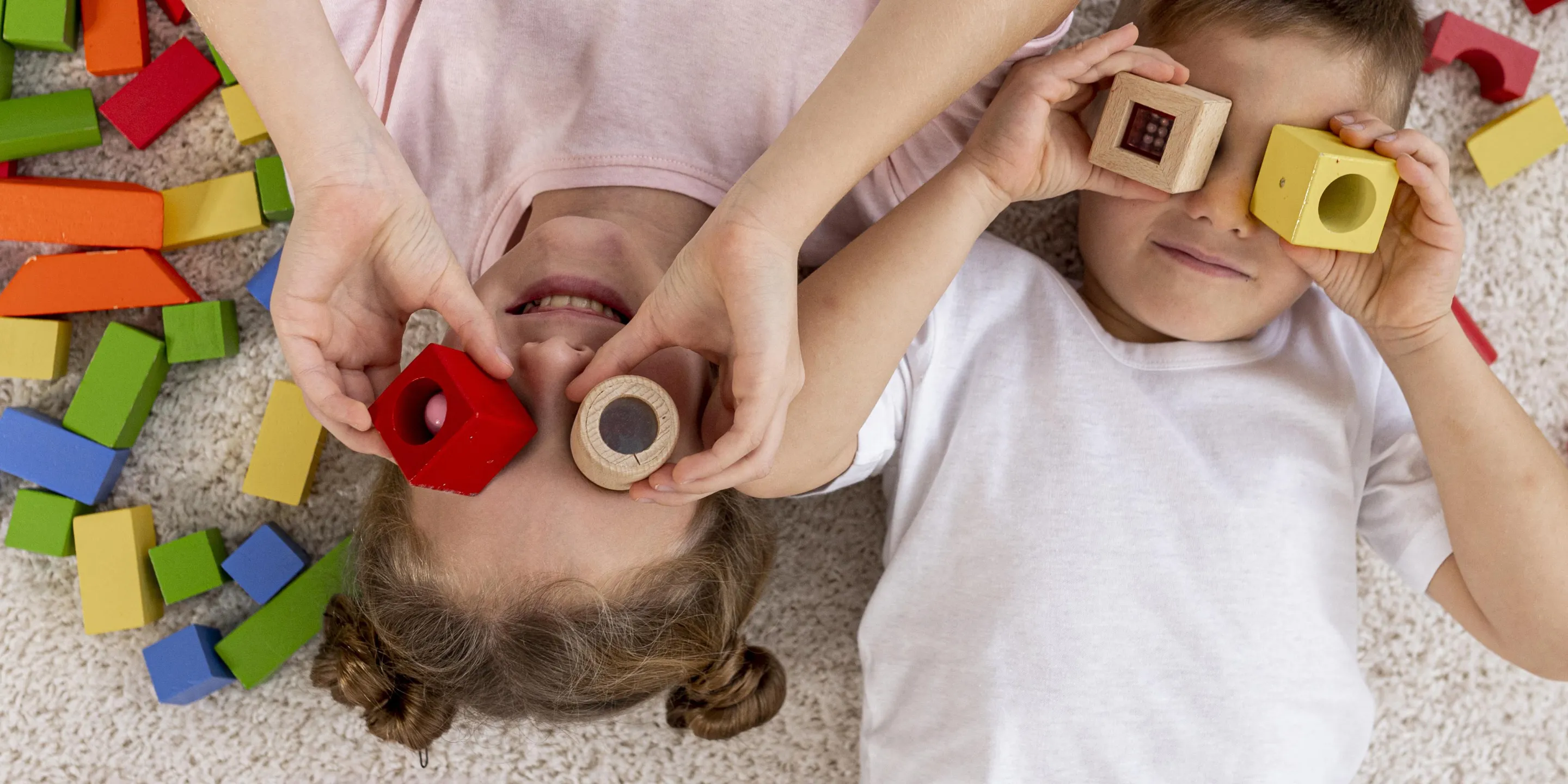
Zwei Kinder spielen mit Bauklötzen, die sie sich über die Augen halten wie Ferngläser.

Family Report.NRW

Focusing on Families. Understanding Life Situations. Shaping the Future.

Text last updated: 2026-07-08

State Government Publishes Family Report Balancing family and work is a major challenge

The Ministry for Children, Youth, Family, Equality, Refugees, and Integration announces:

With the new Family Report, the state government is presenting, for the first time since 2015, a detailed scientific assessment of the living conditions of families in North Rhine-Westphalia.

The German Youth Institute (DJI) prepared the report on behalf of the Ministry for Children, Youth, Family, Equality, Refugees, and Integration. It examines key aspects of family life in the state and addresses topics ranging from family diversity and education to paid work and caregiving, as well as poverty, housing, participation, health, and coping with multiple crises.

The report paints a nuanced picture: Most families rate their situation as good. At the same time, families feel burdened by crises, economic uncertainty, risks of poverty, and unequal opportunities for participation. Balancing family and work remains a key challenge. Reliable child care is an important source of support in this regard. The Family Report shows that a large majority of the parents surveyed are satisfied with the quality of care.

It is still primarily women who cut back on their work to care for their children. Although the number of working hours among men has also declined slightly to an average of 39 hours per week, At the same time, the amount of time mothers spend working has recently increased slightly. It now averages 27 hours of work per week. However, mothers’ work hours remain significantly lower than those of fathers.

Familienministerin Verena Schäffer
Family Minister Verena Schäffer

Family Minister Verena Schäffer: “The new report provides deep insights into the current realities of family life in North Rhine-Westphalia. It shows how families live, what burdens they bear, and where political action is particularly important. This comprehensive study is important because families and the challenges they face are constantly evolving. A key priority is successfully balancing family and work. Reliable child care is also key. With the reform of the Child Education Act, we are working specifically to create greater reliability for families and to strengthen early childhood education. In this way, we are enabling a better work-life balance—from which women in particular benefit—as well as the best possible start for the educational journey of future generations.”
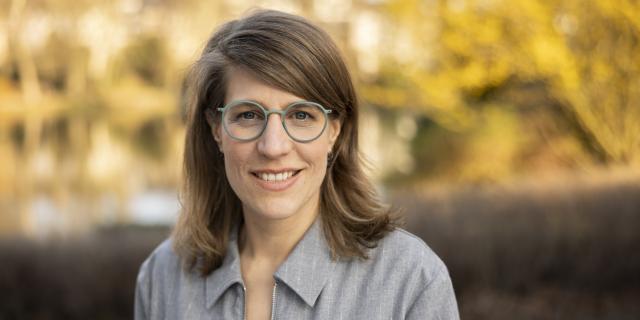
Prof. Dr. Susanne Kuger, Research Director at the DJI , adds, based on the report’s recommendations: “The analyses show that families play a key role in their children’s healthy development—in part through a positive family environment. This can also serve as a protective factor during difficult times. Especially in times of diverse societal crises, low-threshold services for family education, family counseling, and health promotion can strengthen family resources and support families in coping with stress.”

There are just over 2.5 million families living in North Rhine-Westphalia, including nearly 1.8 million families with at least one child under the age of 18. About half of the population lives in a family. Family life is more diverse than ever. In addition to married couples with children, single-parent families, unmarried cohabiting couples, blended families, and LGBTQ+ families are an integral part of social reality. Nearly one in two families with children under the age of 18 in North Rhine-Westphalia (49 percent) had an immigrant background in 2022.

For inquiries from the public, please contact us at: Phone 0211 837-2000.

For media inquiries, please contact the press office of the Ministry for Children, Youth, Family, Equality, Refugees, and Integration at 0211 837-2417.

Background

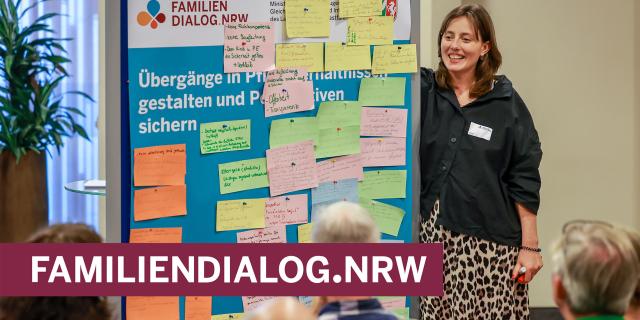
The North Rhine-Westphalia Family Report was compiled by the German Youth Institute. It is based, among other things, on official statistics, special analyses by IT.NRW, and data from the DJI study AID:A 2023 HE as well as the state-specific survey AID:A 2024 NRW+. Additionally, insights from statewide family dialogues were incorporated.

Image credit: © Freepik – Magnific.com

You Might Also Be Interested In

You can download the full family report as an accessible PDF here: