

Promoting education and participation

Measures to increase the use of BuT funds

Text last updated: 2026-03-11

Education and participation: Improving the utilization of the BuT package

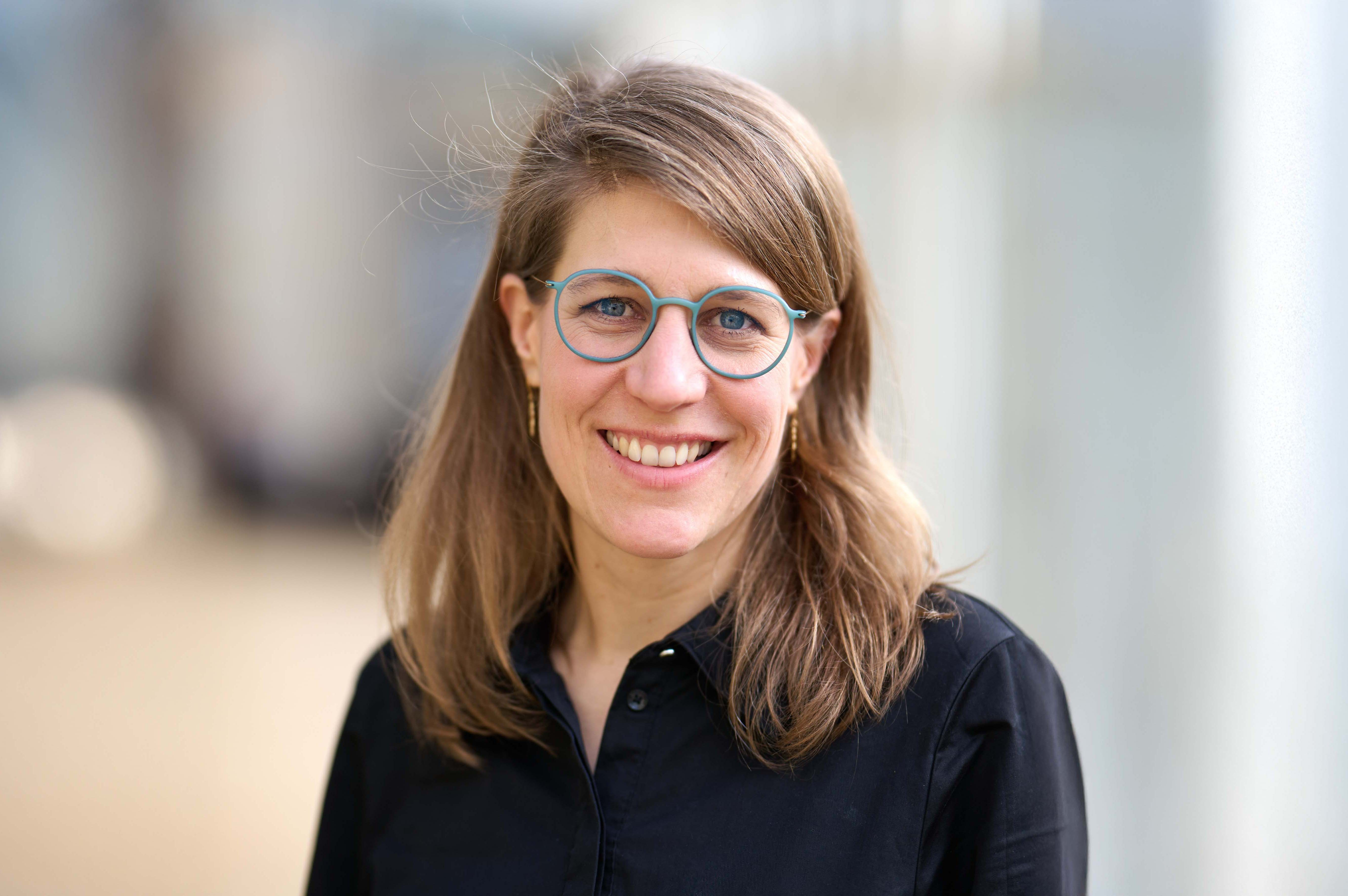
Familienministerin Verena Schäffer
Family Minister Verena Schäffer, Photo: MKJFGFI / B. Thissen

Verena Schäffer, Minister for Family Affairs in North Rhine-Westphalia:

"Poverty is the greatest risk to the future for children and young people. We must therefore ensure that all young people in North Rhine-Westphalia have the opportunity to develop their potential and participate. This is why it is so important that the funds earmarked for strengthening the participation of children and young people affected or at risk of poverty and enabling them to grow up in a good and healthy way also reach them. Together with local stakeholders, it is therefore my goal to further increase the uptake of education and participation benefits."

Factors influencing the use of social and family benefits

The use of social and family benefits depends on a variety of factors. The relevant research literature shows that the individual resources of families and the design of benefits are of central importance:

Individual resources
  • Eligibility and knowledge about how it works ➔ Basic prerequisite for claiming
  • Experience with other social benefits
  • Information behavior
  • Socioeconomic situation of the family: Living situation and income situation
  • Sociodemographics: level of education, language skills and gender
Design of benefits
  • Complexity (e.g. application process)
  • Expense for claimants
  • Address by authorities when new benefit entitlements arise
  • Reliability of the benefit (e.g. amount, risk of repayments, adjustments over time)
  • Reliability of the benefit (including amount, risk of repayments, adjustments over time, automated payment)
  • Signal effect and image of the benefit

Source: Own representation based on: Federal Ministry of Labor and Social Affairs (BMAS) 2016, Harnisch 2019, Bruckmeier et al. 2013, Baisch et al. 2023, Eurofound 2015, Friedrichsen and Schmacker 2019. © Prognos AG 2025

In order to identify the specific levers for improving the use of education and participation services in North Rhine-Westphalia and to develop tailor-made measures, the Ministry of Family Affairs is proceeding in several steps:

Dialog process

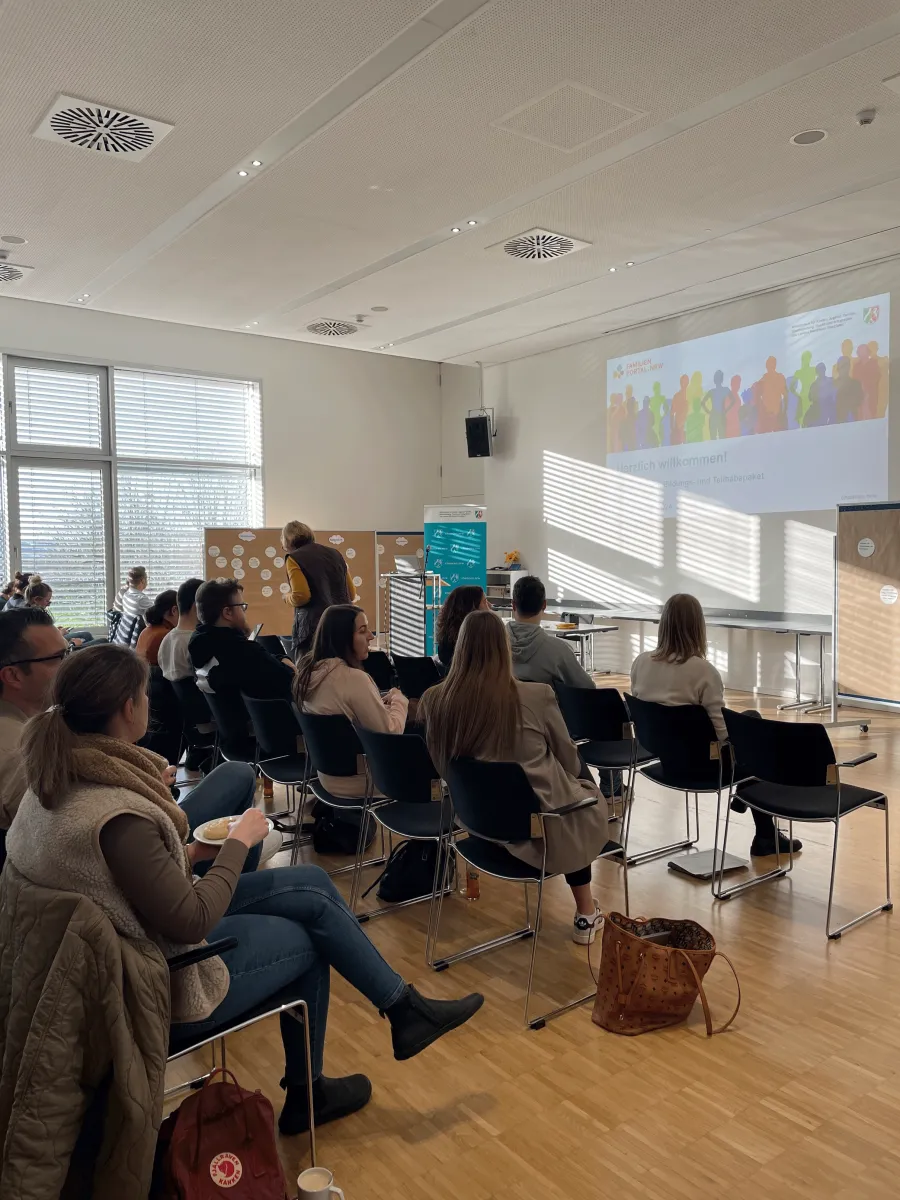
Two workshops with municipal stakeholders were held to provide an initial exchange of experiences on administrative practice in the implementation of the education and participation package and to identify and develop examples of good practice.

Under the title "Enabling participation - success factors for improved use of the BuT package in NRW", the Ministry of Family Affairs launched an exchange with experts from public administration and other organizations on 28 November 2024 in Düsseldorf and 29 November 2024 in Dortmund. The expert input from Prognos AG and the two workshop documentations are available for download in the sidebar.

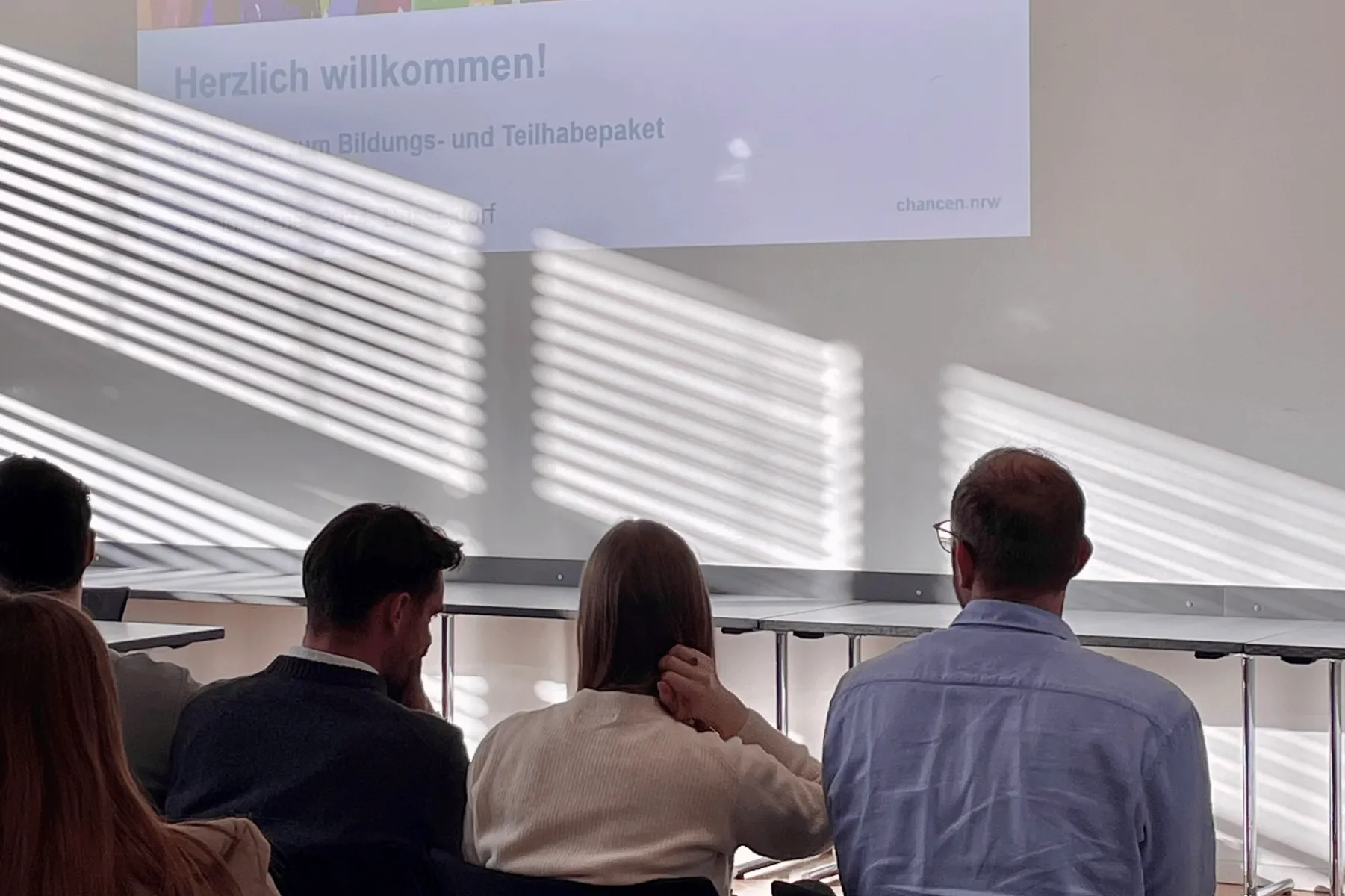
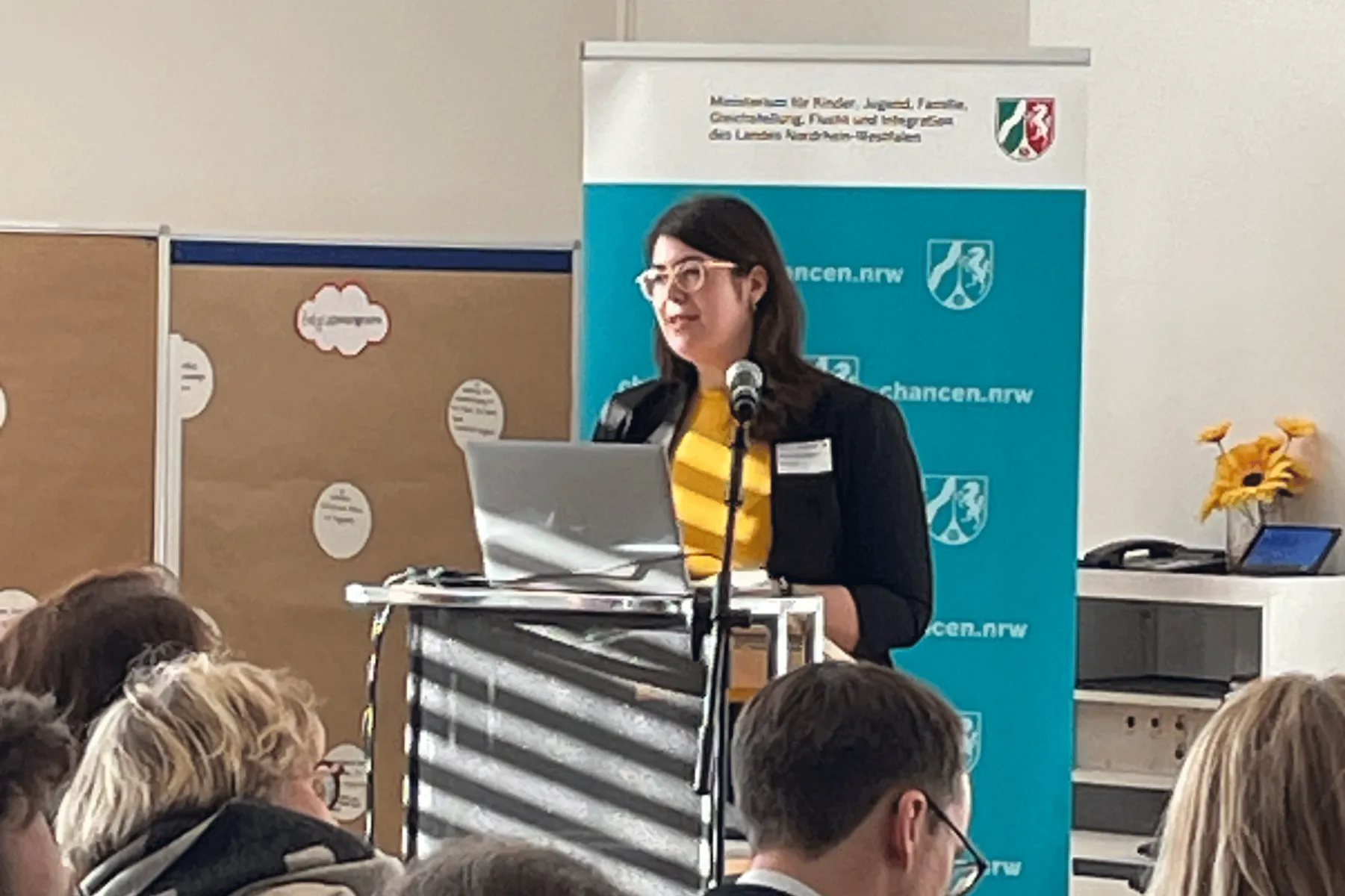
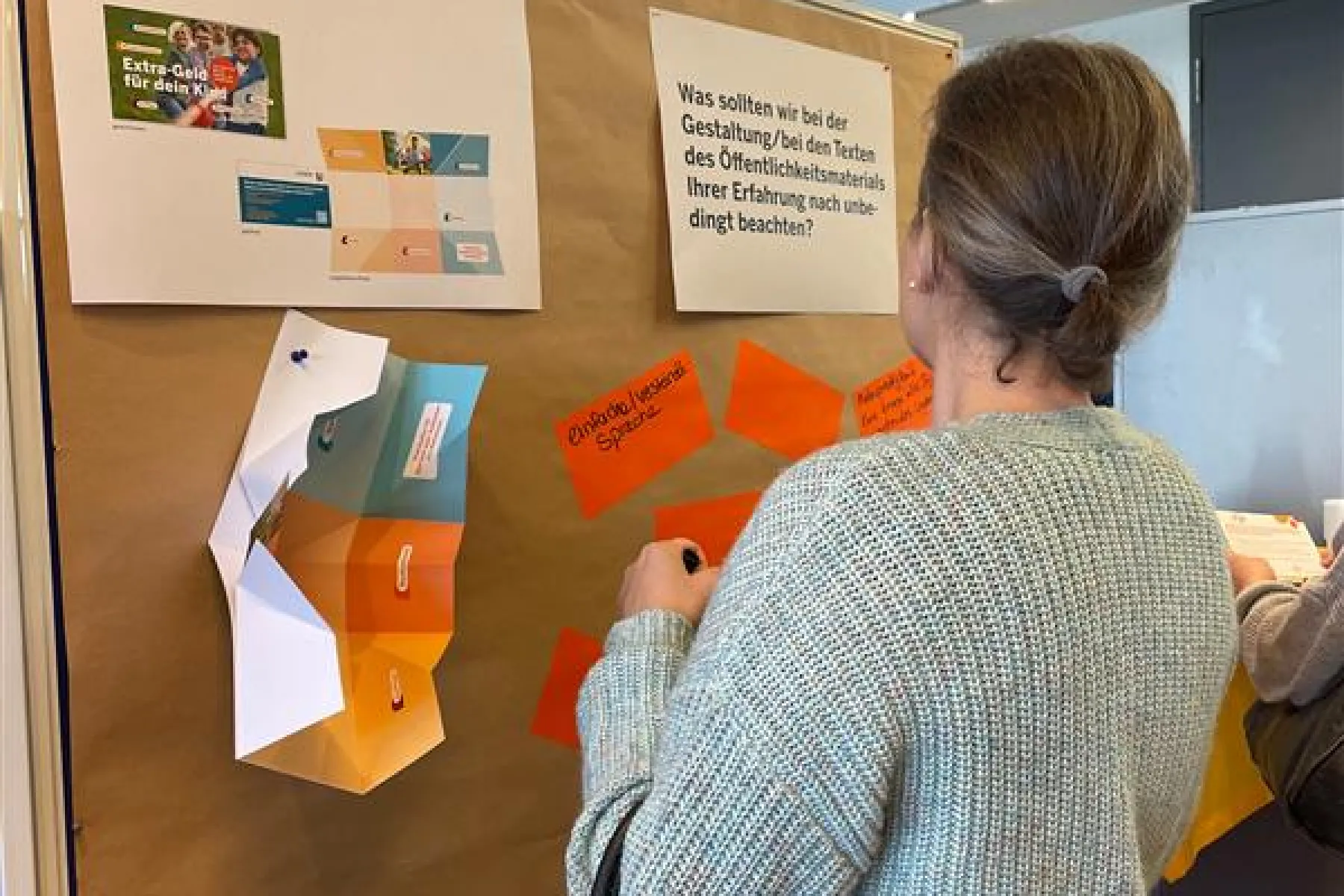
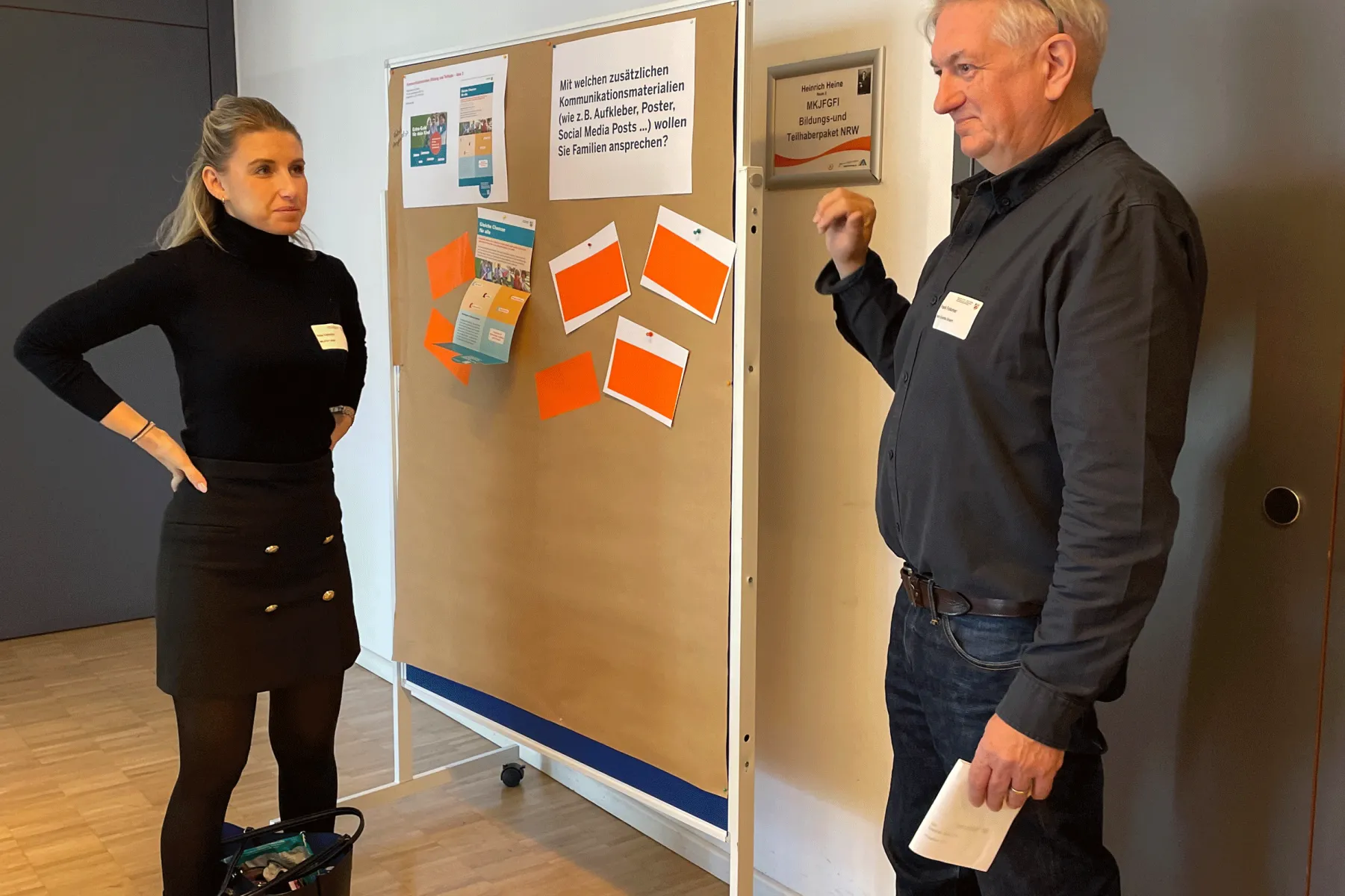
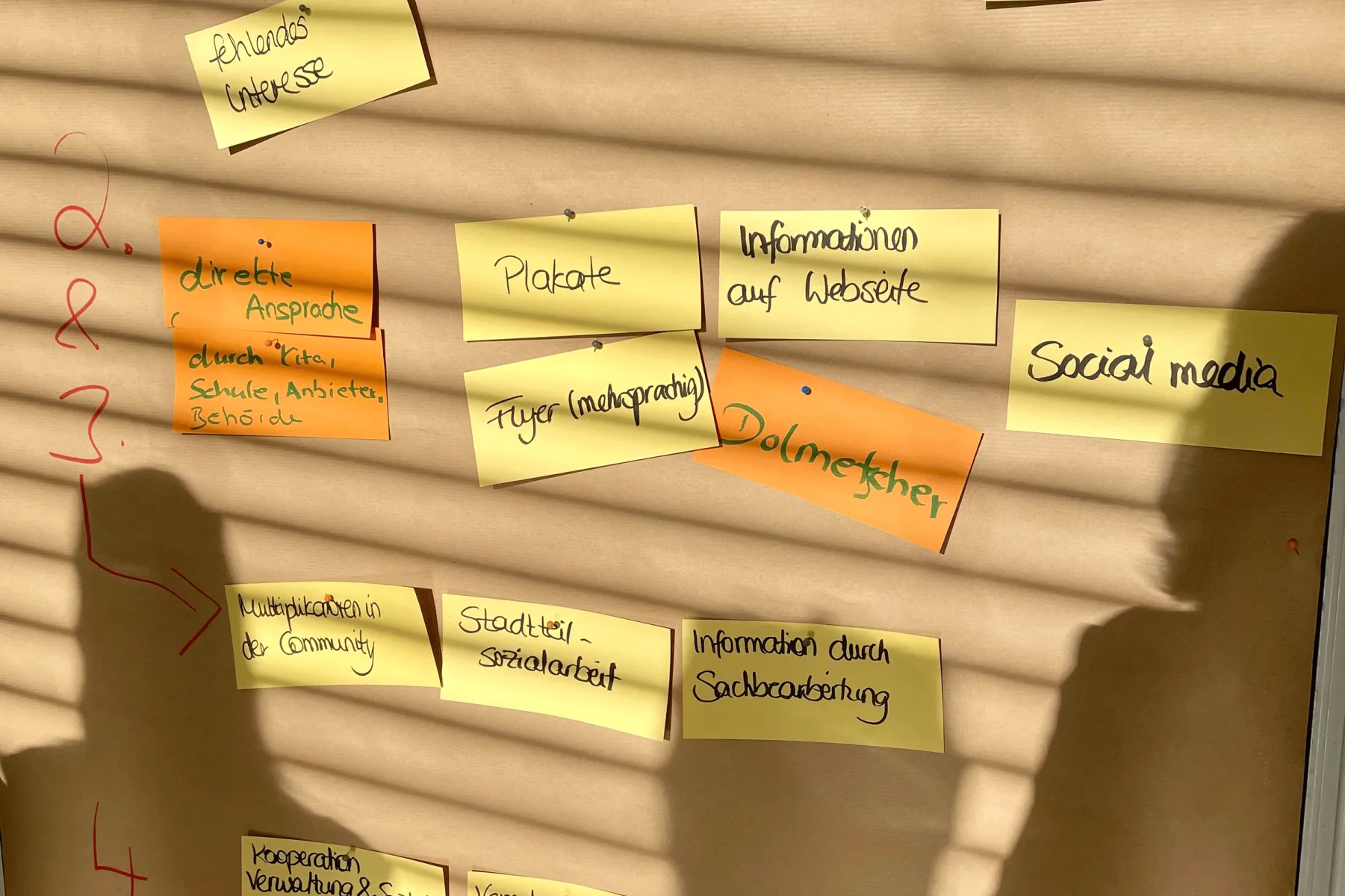
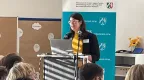
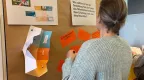
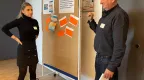
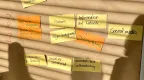
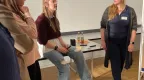
Enabling participation: Impressions from November 28, 2024

BUT_UVO_01
Thumbnail
Thumbnail
Thumbnail
Thumbnail
Thumbnail
Thumbnail
Thumbnail

Survey of specialists

An online survey on the education and participation package in spring 2025 aimed to record the assessments and structures of BuT at local authority level and to obtain assessments of obstacles and beneficial access factors as well as information on the local design. In addition, the survey was used as an opportunity to survey and systematically collect existing examples of good practice.

The survey asked managers from institutions that support families in applying for BuT and/or are responsible for approving BuT benefits.

One result of the nationwide online survey is that the biggest hurdles for families are often language barriers, a lack of information about the benefits and the sometimes time-consuming application process. Authorities also cite incomplete applications, a lack of resources and insufficient digitalization as key problems. The survey also makes it clear that many municipalities already have close cooperation structures, for example with schools, daycare facilities or school social work. At the same time, there is a considerable backlog in the digital application process. Only 20 percent of local authorities offer a digital application.

All results of the survey are available for download in the sidebar.

Publicity material

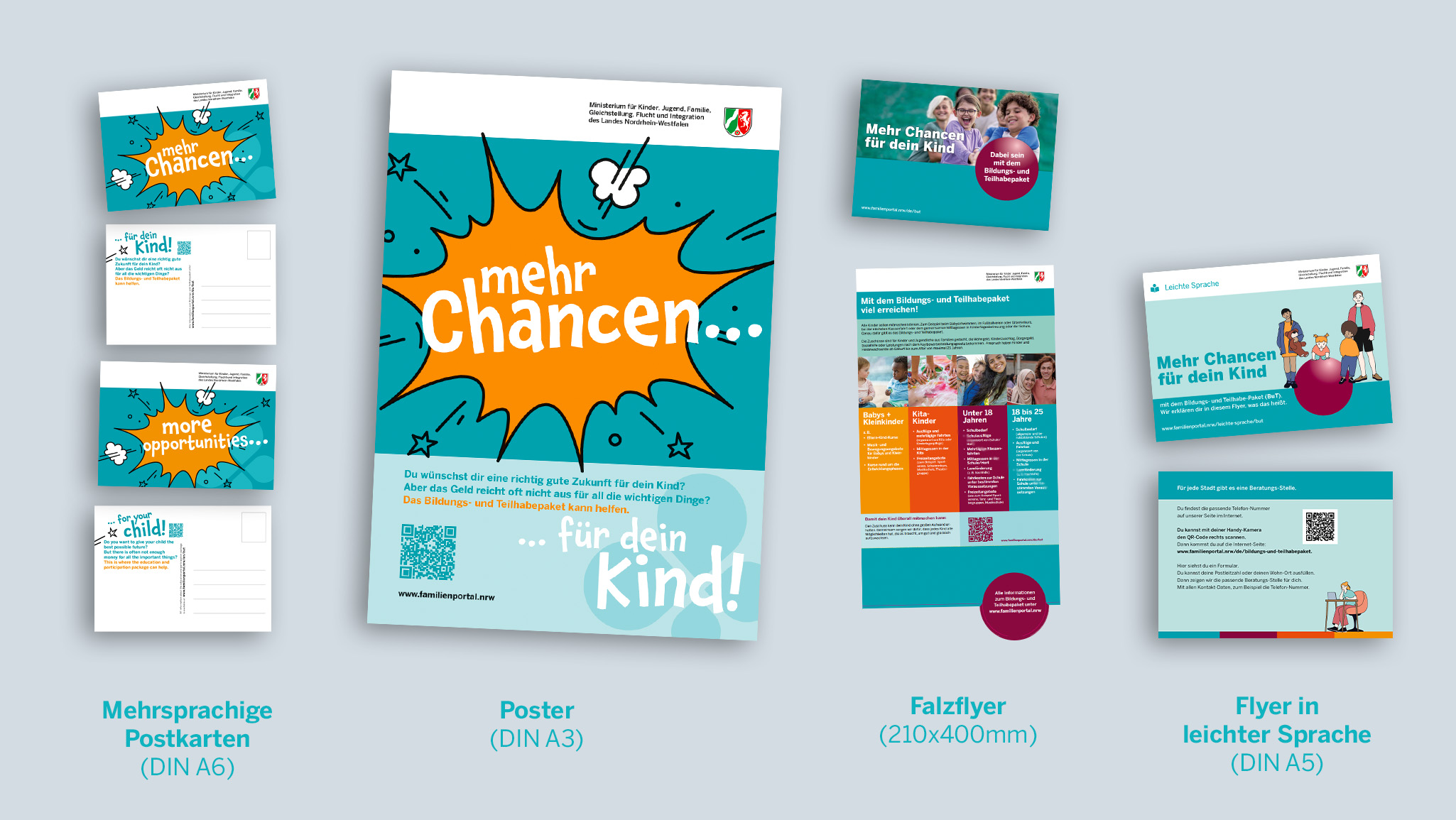
Workshops and the survey have shown that there is sometimes a lack of suitable publicity material locally - particularly multilingual information and information in plain language.

The Familienportal.NRW provides multilingual information material for families and professionals. Posters, postcards and information flyers in German, English, Italian, Polish, Romanian, Turkish, Arabic, Ukrainian and plain language can be ordered free of charge or downloaded digitally.

Topic-oriented workshops

Following on from the workshops already held and the survey, two thematic workshops were held in January and February 2026. These were aimed in particular at specialists in local authorities.

A two-part online workshop focused on the topic of data exchange under the motto "Can't it be easier?". Mr. Lukas Gruszewicz, data protection officer and lecturer in the field of social data protection, presented the principles of data exchange both between authorities and between authorities and third parties. In the second part of the workshop, participants were able to ask their practical questions.

The topic of administrative procedures was the subject of another workshop, which took place in Bochum in February 2026. Various approaches to streamlining and optimizing administrative procedures were discussed.

Documents and materials for both workshops are available for download in the sidebar.