

Am I pregnant?
Everything you need to know about “Am I pregnant?” at a glance
- Early signs of pregnancy can include a missed period, fatigue, nausea, or breast tenderness.
- You can find out whether you’re pregnant or not with a pregnancy test from a pharmacy or drugstore.
- A test is usually reliable starting on the first day after a missed period.
- A positive test result should always be confirmed by a gynecologist.
Am I Pregnant? Recognizing Early Signs and Testing Correctly
At the very latest when their period doesn't come at the expected time, many women ask themselves: "Am I pregnant?" In fact, there are various early signs that may indicate pregnancy.


What are the typical signs of pregnancy?
Important to know: Every woman and every pregnancy is unique. Symptoms may appear early, late, or not at all. And they can vary from pregnancy to pregnancy.
The most common early signs of pregnancy include the following symptoms, among others:
All symptoms of pregnancy are triggered by fertilization and the release of various hormones. Most of these symptoms are completely normal and are no cause for concern. However, you should pay close attention to your body—especially your abdomen—during this time. If you notice anything unusual or feel uncertain, be sure to talk to your gynecologist or a midwife.
Does every symptom automatically mean you're pregnant?
No. Many of the symptoms mentioned can also have other causes, such as stress, hormonal fluctuations, or an upcoming period. Symptoms alone are not definitive proof of pregnancy.
If you’re unsure or experience unusual symptoms, it’s always a good idea to seek medical advice.
How does a pregnancy test work?
You can purchase a pregnancy test over the counter at pharmacies or drugstores. You can easily take the test at home:
- Hold the test stick under the urine stream or
- collect urine in a clean cup and dip the test into it.
After a few minutes, the result will appear in the viewing window.
The test measures the hormone hCG (human chorionic gonadotropin) in the urine. This hormone is produced after the fertilized egg implants in the uterus and continues to rise steadily during the first weeks of pregnancy.
When can a pregnancy test be trusted?
The hCG hormone rises sharply after conception. It can be detected in urine as early as the 10th day after fertilization of the egg.
The most reliable time to take a test is on the first day after a missed period.
If the test is negative, you are probably not pregnant. However, it’s also possible that the hCG level wasn’t high enough yet. To be on the safe side, you should repeat the test a few days later if symptoms suggest a possible pregnancy.
What should you do if your pregnancy test is positive?
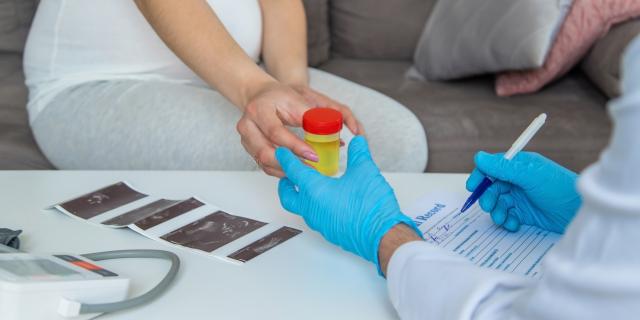
A positive test result should be confirmed by a gynecologist. The examination to confirm the pregnancy should take place as soon as possible after a missed period. At your doctor’s office, you will receive further information, support, and advice on how to proceed. Midwives can also serve as points of contact during this early stage.
Where can I find help and counseling?
Do you have questions, fears, or concerns about pregnancy, childbirth, or your relationship? If so, you can contact a pregnancy counseling center near you free of charge. Using the database of the Federal Institute for Public Health (BIÖG), you can find a pregnancy counseling center near you with just a few clicks.
You can get information about general family counseling centers or local family offices through our Family Guides.
Your gynecologist will not only perform a medical examination but will also advise you on general questions regarding pregnancy. Through the "Gynecologists Online" , you can find a gynecologist, as well as gynecological clinics and fertility centers in your city or surrounding area.
You Might Also Be Interested In


More Information Links for Further Reading
