

Start in the media world
A safe start in the media world - tips for parents of young children
Screens are part of our everyday lives today. Children come into contact with them from an early age - whether on the subway, at the paediatrician or through their parents' cell phones. But when can children start looking at something? What is good for your child? And what should parents look out for? This article provides answers to many questions about starting out with media and shows how you can support your toddler sensibly as they enter the world of media.

When is a good time for the media launch?
Children under the age of three should spend as little time as possible in front of screens. Although they find moving images exciting, they often do not yet understand them properly. For babies and toddlers, media are primarily stimuli that can also be overwhelming.
And if media is used earlier? No need for a guilty conscience! Short video calls with grandma, a family video from a vacation or a short story are fine - as long as they remain the exception and the duration is limited.
From around three years of age, children are usually ready to follow simple stories. Important: Every child develops differently. Pay attention to how your child reacts - if it is overwhelmed or restless, you should take a break.
What content is suitable for young children?
The younger the child, the more important it is to choose carefully, as unsuitable products can quickly overwhelm them. Parents can pay attention to the following:
- Short and manageable: videos of 1 to 5 minutes are ideal
- Calm images - simple shapes, colors not too garish and intrusive
- Simple language or even no words at all
- Slow narrative pace, no fast-paced scenes, few characters
- Simple plot with a good ending
- Familiar characters from books are particularly suitable as an introduction (e.g. The Raiders). e.g. The Caterpillar Nimmersatt, Bobo Siebenschläfer)
Tip: Less is more! Young children don't need a lot of choice, they love repetition. This allows them to (re)discover familiar things and better understand and process what they have seen.
How can I accompany my child well from the start?
Media education doesn't just start with the first video - it helps to ask yourself beforehand: What suits our everyday family life? What is my own attitude and what do I want to convey to my child?
Clear rules also make things easier - at the latest when media is used regularly. Children need guidance: when, for how long and what can they watch?
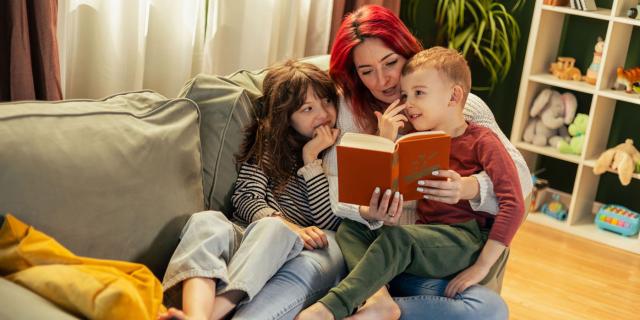
At the beginning, it's best to watch together, as this benefits young children the most. Parents can name things, explain them or calm them down if something gets too exciting. When media experiences are accompanied by language, this promotes language development and the child's mental development in general.
And don't forget: Children learn by imitation. It is therefore worth making them aware of their own habits and putting the smartphone aside more often. After all, young children need caregivers who teach them about the world, respond to their needs, talk to them and play with them - without constantly looking at their smartphone.
What to do if you have a tantrum after switching off?
The screen goes off - and your child is angry? This can happen because children first have to learn how to deal with disappointment and strong feelings. Toddlers perceive the many images and sounds very intensely. They first have to learn to process the impressions. Sometimes, however, tantrums are also a sign of being overwhelmed. Then it makes sense to look for calmer or shorter content.
This can be helpful during tantrums:
- Cuddling
- Playing, romping or painting
- or simply being patient
Important: Don't scold or punish out of anger. It's better to calmly explain why it's over now.
Where can we find help and advice?
FLIMMO is a parents' guide to TV, streaming, YouTube and movies. FLIMMO helps parents to find their way through the wide range of media and select suitable content for children between the ages of 3 and 13. Whether it's first videos, clear rules or tips for everyday media life with small children, at www.flimmo.de/medienstart you will find lots of practical suggestions for entering the world of media.

We would like to thank the parents' guide FLIMMO for their support with this article.

You might also be interested in
Further information Links to read more