


Equal partnership
"Fathers increasingly feel the need to break out of old role models."
An interview with men's counselor and author Björn Süfke
There has been a shift in the awareness of modern fathers. But what is the actual situation regarding the division of responsibilities between today's parents? And how is it actually possible to negotiate equal parenthood?
Björn Süfke: Basically, there is a clear trend that shows that there is a change in awareness among men. Fathers increasingly feel the need to break out of old role models and are expressing this more and more often. In my opinion, there is often a problem with putting this into practice. Both fathers and mothers like to present themselves: 'We do it equally, we decide together' - but there are a lot of ingrained patterns at an unconscious level. So it's about recognizing these patterns, coming to terms with them and talking to our partner about them - without self-blame or judgment, but with a lot of compassion and self-humour. What you recognize, you can also change so that you can then consciously take different paths.
An example from me personally: In order to dissolve the old role patterns, my wife and I actually share as many childcare tasks as possible 50:50. So that, for example, when it comes to putting the children to bed, it doesn't unconsciously creep in at some point that the caring, cuddly part lies primarily with the mother, we do it in shifts on a daily basis. This reduces the risk of routines developing - quite unintentionally - so that one or the other is once again primarily responsible for certain topics.
To put it bluntly: As a man, I can start by asking myself - as impartially as possible: What is actually my own need? Unbiased here means not simply shouting 'children, children, family' and completely ignoring the job just to be a modern guy. No, it's about asking yourself honestly: How do I want to organize my fatherhood, partnership and career? This is the best thing men can do for themselves, ideally even before the birth of a child.
This naturally leads to discussing and negotiating the outcome with their partner as equals, because it also involves a concrete division of work and responsibilities. Many women are often one step ahead in terms of their understanding of their role as a mother and, in the absence of an independent point of view from their partner, the mother's suggestion is inevitably implemented in many child-rearing issues. If you want to be a good negotiating partner and father, you determine your own position in advance. This is 'emancipation' in the truest sense of the word - it's a lot of work, but it's worth it.
The greatest benefit for the children is when their father is present as a person. It is therefore important to share the good times just as much as the difficult ones. If you only spend quality time with your children, you may be a popular and well-liked father, but you are no more a role model than someone on TV who you only see in his best moments.
On the other hand, if a father is also emotionally present, which is often the biggest challenge for us men, then he is an incredible asset as a male role model, especially for sons.
And for us as a society as a whole, it would of course be great if we men could put all of this into practice and share a bit of it with the outside world in order to advance the social discussion with our own example. For example, it is also important that we speak out if we as fathers do not feel that we are perceived as equal parents in public. Like the women before us, we are now called upon to ask ourselves what our relationship is to the social role requirements: where do they contradict my wishes? With this emancipatory attitude, we need to shape everything else, both the partnership negotiations and our own everyday practice as fathers.
Personally, I would like to move away from focusing on the problematic in negotiation processes. I think we should take a much more positive approach.
Negotiation doesn't have to be a negative thing, as we might know it from business. There, the principle often applies: the better I negotiate, the more I get out of it and the worse it is for my counterpart. This is not a model that works in partnerships. It's not about a win-lose situation, but a win-win or lose-lose situation - we're both always affected.
I personally see these negotiation processes with my wife around 'Who goes where, who does what, who should take the child to the doctor today, who can...? Especially when communication about the little things in everyday life works, it's something that is incredibly bonding on a partnership level. And by the way, for us, 'negotiating' doesn't always mean 'Which of us has to go to parents' evening today?', but often also 'Which of us CAN go to parents' evening?' - because we both really enjoy doing lots of things related to being parents...
Couples therapists say that couples who want to have a future together need a joint project. If you take parenthood as an example of such a 'project', then everyone benefits from it: the children, but also the parents as a couple.
Parental allowance and parental leave, fathers' congresses and portals such as Familienportal.NRW are important steps in the right direction. However, the unequal pay of women and men or the pressure men experience when they ask for parental leave in their companies in order to practice active fatherhood show that we are still a long way from being able to implement the needs of fathers and couples described at the beginning in everyday life.
I myself experience in practice how great the need for support is and how little help is available. In my view, we need lots of educational and reflection spaces for fathers and couples so that we can learn from each other. When it comes to fatherhood, we men are often not taken seriously in everyday life. If we as a society want to break out of traditional roles in the sense of expansion, so that all opportunities for men and women can be exploited, then we must also offer sufficient support - for women and men alike.
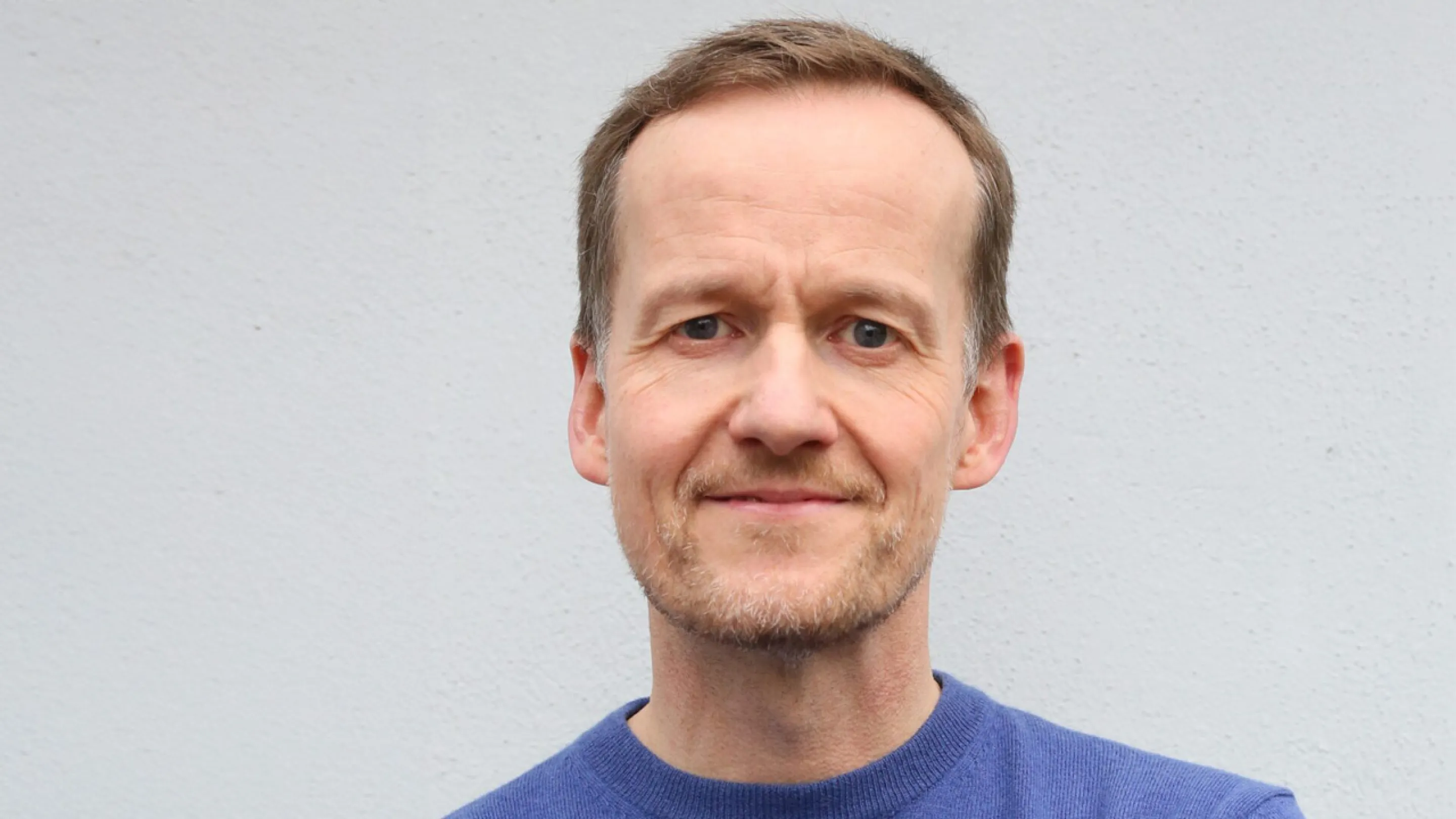
About Björn Süfke
Björn Süfke is a men's counselor, author and father. He deals with the many facets of being a man from these different perspectives. For example, he has published the books "Männerseelen" and "Männer. What it means to be a man today". Most recently, he published the short story collection "Papa, Du hast ja Haare auf der Glatze! From the everyday life of a father".
Where can we find help and advice?
You can seek outside help at any time for all questions relating to parenthood, negotiation processes in partnerships and family conflicts. There are many support and advice services available in North Rhine-Westphalia. The Family Guide of Familienportal.NRW makes it easier for you to find a suitable service near your place of residence.
The Männerberatungsnetz bundles advice services that specialize in the concerns and conflict situations of boys, men and fathers. You can use the counseling map to find a counseling service near you.
You might also be interested in


Further information Links to read more

Fathers in North Rhine-Westphalia Videos
