

Democracy begins in the family
"Children and teenagers should feel that their voices matter and that they can make a difference with their ideas."
An interview with Kathrin Fehse of the German Children and Youth Foundation
Democracy doesn’t begin with elections or in politics—it’s already lived out in everyday family life. In this interview, Kathrin Fehse from the German Children and Youth Foundation discusses how children and young people can be encouraged to voice their opinions and actively help shape our society, as well as the opportunities for social participation that exist.
Kathrin Fehse: Democratic action begins long before the first election. Children develop the necessary skills primarily through everyday experiences. These include, among other things, the ability to express one’s own opinion, listen to others, respect different perspectives, and resolve conflicts constructively.
Equally important are empathy, taking responsibility, and the understanding that decisions can be negotiated and that not all wishes can always be fulfilled at the same time. Children and young people should experience that their voice matters and that they can make a difference with their ideas. This sense of self-efficacy strengthens political interest and is a central foundation for future civic participation.
However, democracy education means more than just fostering individual skills. It helps children understand social contexts, learn about and defend democratic values, and make sense of their own experiences with participation. Thus, democracy education strengthens not only skills but also attitudes and orientations that are crucial for democratic coexistence.
Above all, by setting an example. Children learn less from explanations than from what they experience in everyday life. When parents listen, take other opinions seriously, and resolve conflicts respectfully, children learn in a very practical way how democratic coexistence works.
It is particularly important to regularly ask children for their opinions, take their perspectives seriously, and involve them in decision-making. This does not mean that children should always be allowed to make the final call. What matters is that parents clearly communicate when genuine participation is possible and when they must make decisions themselves due to their responsibilities.
Discussions about fairness, justice, or current issues from everyday life also strengthen democratic values and skills. In this way, children learn to develop their own positions while also taking the needs of others into account.
Crucial to this is the attitude of adults in believing that children are capable of contributing. Children are confronted with political issues every day. They are part of our society and want to—and are capable of—actively shaping politics and democracy. Even at the elementary school level, they develop a clear interest in political and social issues and actively engage with topics related to living together in society. Research shows that they possess political knowledge, interests, and perspectives and closely follow social issues. They recognize injustices, discuss rules, and develop their own ideas about how society should be organized.
Democracy education doesn’t require any extra time—it happens every day anyway. Even when it comes to questions like “What are we having for dinner today?”, “What are we doing this weekend?”, or “What rules do we need to live together harmoniously?”, children can have a say.
Situations where different interests come together are particularly valuable. When families work together to find solutions or negotiate compromises, children learn to advocate for their own wishes while also being considerate of others. Conflicts are ideal learning opportunities.
For older children and teenagers, family councils or regular discussion groups can also be helpful. There, decisions are discussed together, different opinions are heard, and topics affecting the family are debated. This allows democracy to be experienced firsthand.
Above all, however, it is important to take young people’s questions and concerns seriously. This means addressing their concerns and working together to connect them to broader social and political issues. Children observe very closely whether their opinions really matter or whether their participation is merely symbolic. They listen to adults talking with the neighbor or observe discussions at the dinner table. These everyday experiences are an important starting point for learning about democracy. In our Democracy Education Reflection Tool, we regularly demonstrate how we can create spaces for young people to engage in these discussions and, at the same time, how current issues and social debates can be discussed with children.
Today’s young people have many opportunities to get involved. They can participate in youth parliaments, student councils, or local participatory initiatives. Clubs, initiatives, youth organizations, and volunteer projects also provide opportunities to take on responsibility and help shape change.
In addition, many young people are actively involved in issues that directly affect them, such as climate protection, social justice, diversity, or shaping their schools and neighborhoods. Political participation doesn’t begin solely in political parties or parliaments. It takes place wherever young people voice their concerns and work together with others to bring about change.
It is important for young people to experience that their engagement can make a difference and that their perspectives are taken seriously.
Schools, youth centers, and local clubs are often good first points of contact. They frequently provide information on participation projects, volunteer opportunities, youth parliaments, and ways to get involved in local government.
Youth workers, teachers, and social workers can also help children and young people find suitable opportunities. Many municipalities also have children’s and youth offices or participation centers that specifically facilitate opportunities for youth involvement. City and county youth councils are also suitable points of contact.
The important message is this: No one has to take on a major political role right away. Social participation often begins with small steps, such as an idea for school, a neighborhood project, or getting involved in a club. The key is to take that first step and gain the experience: My voice counts.
About Kathrin Fehse
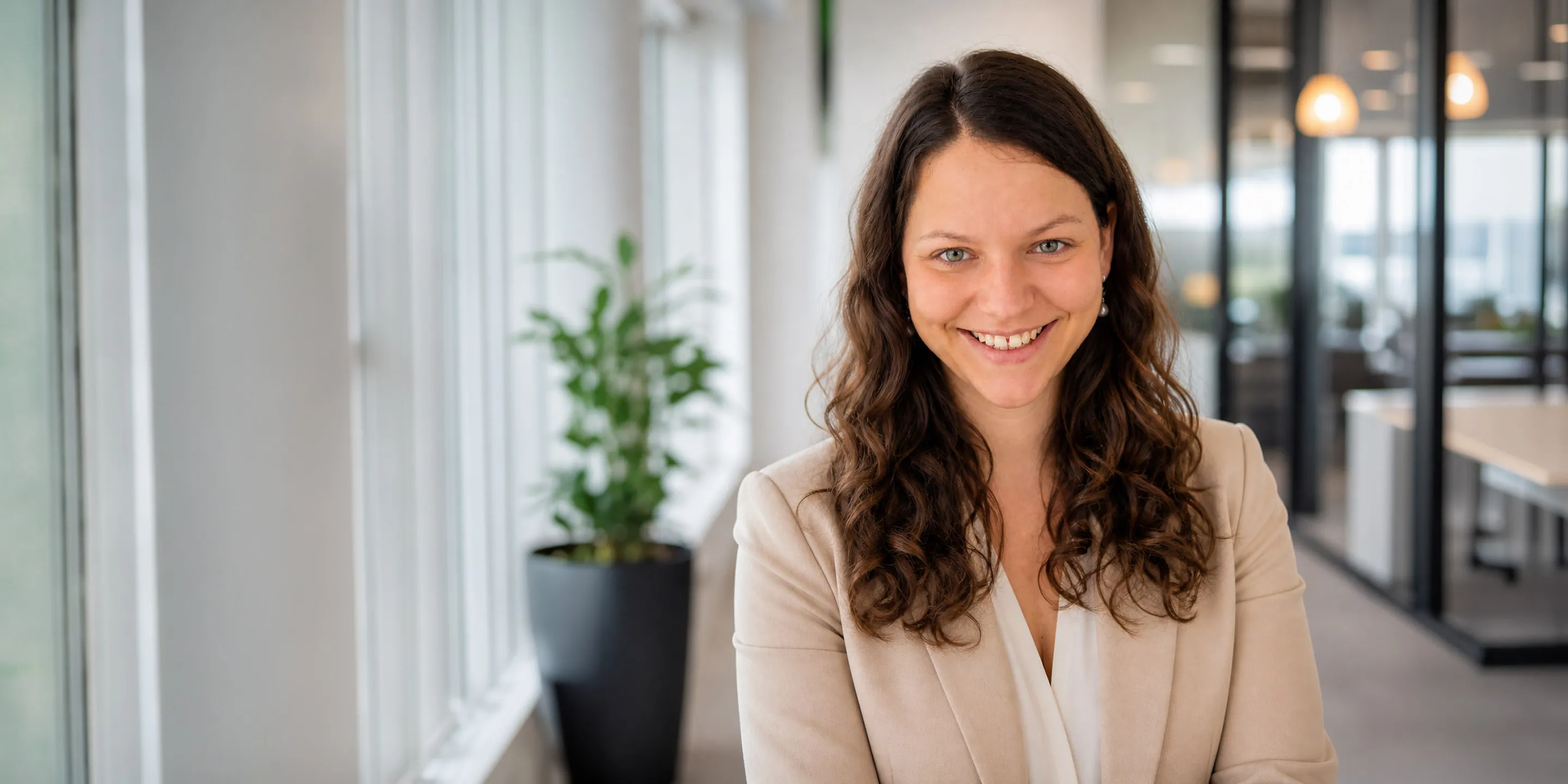
Kathrin Fehse is an expert in democracy education at the German Children and Youth Foundation. She is committed to promoting democratic participation and ensuring that all children and young people have equal opportunities to participate.
We would like to thank the German Children and Youth Foundation for its support of this article.
You Might Also Be Interested In

More Information Links for Further Reading


Tips Download
