


Reading aloud doesn't have to be perfect
"Reading aloud brings us closer together."
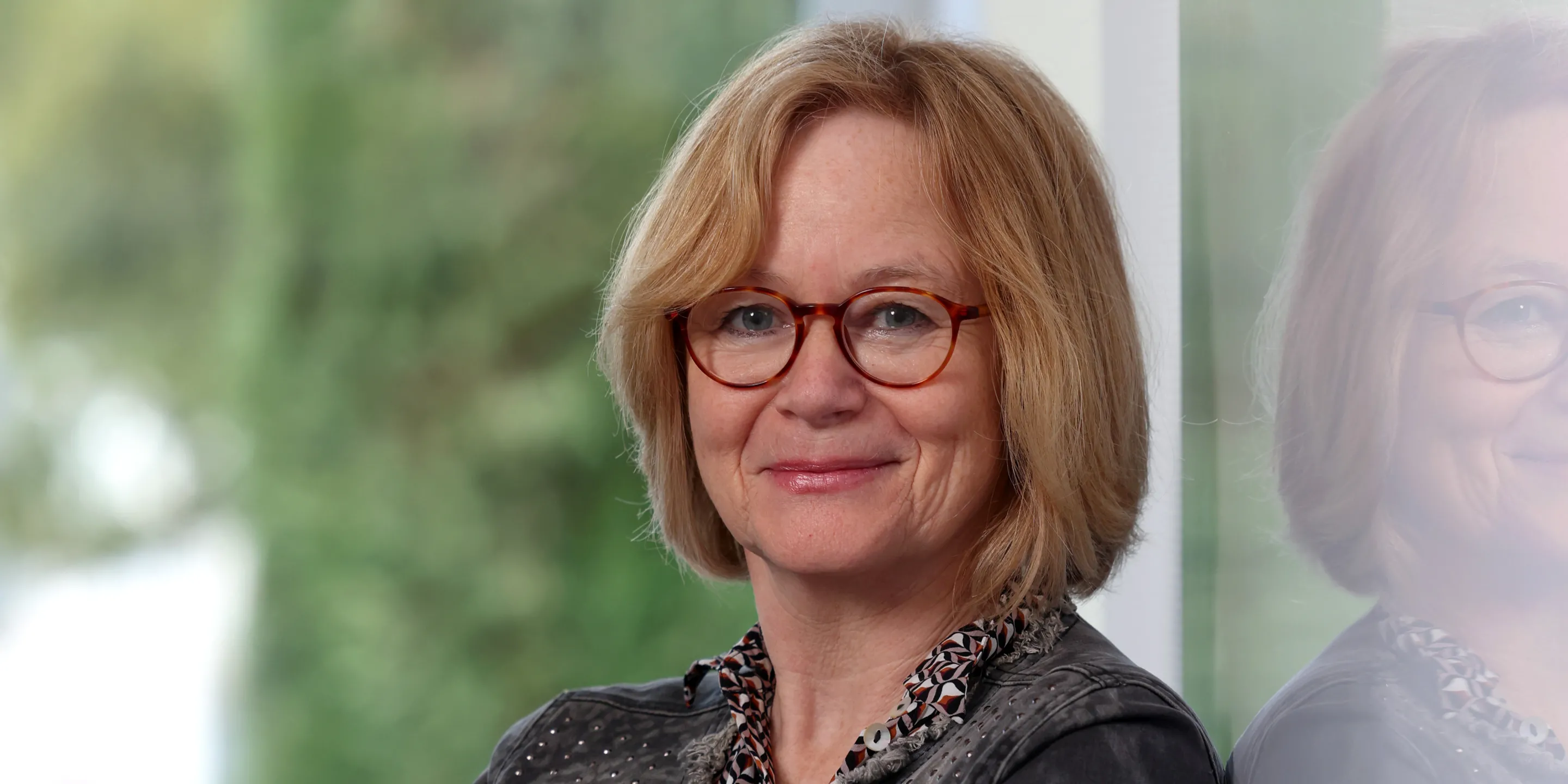
An interview with Sabine Bonewitz from Stiftung Lesen
Many parents would like to read to their children - and yet sometimes have the feeling that it doesn't really work. Children quickly lose interest, time is short in everyday life, or you ask yourself: "Can I do this well enough?" The good news is that reading aloud doesn't have to be perfect. Just a few minutes of reading time together each day creates closeness, strengthens language development and awakens the imagination.
In this interview, Sabine Bonewitz reveals how parents can make a big impact with just a few small impulses. For example, how children become curious about stories, what you can do if they are not (yet) enthusiastic about books, why it is perfectly okay to read the same book over and over again - and how digital formats or multilingual reading aloud can also be a benefit. You will also learn how to take the pressure out and how to deal with self-doubt when reading aloud. There are also tips for choosing books and for reading aloud rituals - and helpful offers that support families in an uncomplicated way.
Sabine Bonewitz: There are actually many reasons why parents don't read to their children. Everyday stress is naturally at the top of the list. But many parents are also convinced that their children are not interested in reading aloud. Because they don't sit still, for example, or because the tablet is much more fascinating. It is important not to play the different media off against each other and not to place too high expectations on yourself. If children keep turning the pages, ask questions or continue the story on their own, this does not signal a lack of interest, but a desire to engage in a discussion about what they have read. And only readers can do that.
Reading aloud and storytelling should also be a fixed part of everyday life with babies and toddlers. This is because we strengthen the linguistic development of young children by giving them attention when naming things, looking for things and telling them little stories. The first 1,000 days play a key role in helping children to acquire a large vocabulary and start speaking.
But there are even more benefits: Children who are regularly read to are more creative and are also better able to empathize with other people. In purely educational terms, this also means that they achieve better grades at school, for example in German, but also understand other tasks in other subjects better. Children with regular experience of reading aloud therefore have a better chance of educational success.
At the same time, reading aloud trains the imagination and concentration and literally brings us closer together. Because in the best case scenario, reading aloud leads to conversations. Adults and children learn more about each other, exchange ideas and the children realize: "Hey, someone is taking time for me. I'm important." And that's the best signal we can give children.
It's never too early to start reading aloud. Even very young children benefit from spending time together, from rhymes, songs and stories that stimulate the brain and lay the foundations for learning to read later on. The book market has grown considerably in recent years and is already focusing on the very youngest children, for example with fabric and tactile books.
And there is no such thing as too late: many parents make the mistake of stopping reading to their children when they start school. But learning to read on their own is laborious and children often miss the complex stories that they are not yet able to understand themselves. When it's time to stop, the children signal this to the adults.
It is important that both sides enjoy reading and reading aloud, because children quickly notice when their parents are not on the ball. The focus should therefore be on what appeals to them: there are many beautifully designed children's books for every taste, but comics, magazines or digital apps can also be used to spark their interest. It's worth sticking with it and turning reading aloud into a role-playing game, for example, taking turns to read passages aloud and letting the children help choose the reading material.
The younger the children are, the shorter their concentration times often are. Everything is interesting for them and a picture book is first and foremost a toy that they want to discover with all their senses: Feeling it, tasting it, dropping it and picking it up again, turning it upside down and simply leafing through it. It is not yet about telling a story from beginning to end. The child clearly shows what interests them and when it is a good time to discover a picture book together.
Reading is often associated with books with long passages of text - this may or may not be the case. In addition to many great children's books, comics, mangas and magazines, for example, offer a good introduction to reading that appeals to children with less reading experience. The strong images and short texts make it easier to get started. There is now also a large market for game books that use interactive elements to turn reading aloud into a play experience. This is great fun for children and gives parents a relaxed introduction to reading aloud.
It is very important to let the children help decide what they want to read or what is read aloud. That's why it's always a good idea to keep picture books and children's books in a place that children can easily reach - either at the bottom of the shelf or in a basket. There are many tips for reading aloud on the "Lesestart 1-2-3" website from Stiftung Lesen.
Parents under pressure - and how reading aloud still works
The good thing is: you can practise reading aloud and reading to yourself anywhere. So why not have the children read out the recipe the next time you're cooking or the shopping list when you're out shopping? Children's curiosity can be put to wonderful use. What kind of bird is that? No idea, but let's read it together! We are also happy to recommend digital offers, for example the free app "Einfach vorlesen!". Every Friday there are new stories for children aged 3, 5 and 7 that you can always have with you on your smartphone.
All families work differently: whether it's in the evening before bedtime or perhaps in the morning as a fixed start to the day - parents and children have to try it out and decide for themselves.
Studies show that regular reading strengthens neuronal connections and creates new ones. In other words: there is no ideal length, but we recommend taking 10 minutes a day rather than just once a week and for longer. We know that reading is good for the brain and emotional health. It encourages creativity, is good for concentration and broadens your horizons. Regular reading also helps children feel more comfortable and develop more confidence in their own abilities.
Self-doubt when reading aloud - is that normal?
You don't have to be a professional actor with voice training to read to your child. The basic rule is: both sides must feel comfortable. Many parents believe that reading aloud has to follow certain rules. But that's not true. For example, it is not so important to read the text one-to-one. You can also talk about the pictures together, ask questions or come up with an alternative ending. Talking about the story together sparks the imagination and lets children slip into different roles.
Children love the time together and the attention that readers give them, even if the story they read is supposedly not perfect. When children have a say in the selected stories, can ask questions and are allowed to give their own version of what they have read, they feel taken seriously and strengthen the bond with their caregivers.
Reading aloud in multilingual families
There are great bilingual children's books that can be used to bridge the gap between the two languages. The range has grown steadily in recent years and you can also find many translations of popular children's books in all languages online. There are over 3,000 reading and media tips on the Stiftung Lesen website, all checked by experts. All families are sure to find what they are looking for.
Multilingual stories or tales in the children's own native language have the advantage that they also convey cultural memories and can be a starting point for further conversations. The important thing is that they are read to at all, in which language is of secondary importance. Many families lack an understanding of the importance of reading aloud at an early age. This is why education in many languages is so important. The many text-free books, such as hidden object books, allow children to name what they discover in their heart language right from the start. Parents and children can then work out together what the word means in German, for example.
Choosing the right book: What parents should consider
In principle, anything that appeals and ties in with children's interests is suitable. If the child is currently living in a pirate world, adventure stories are naturally the first choice. Reading about beloved series heroes and heroines is perhaps the most interesting. Comics and magazines are suitable because of their many pictures, short sentences and different themes. There are lots of books on the market with really great illustrations, often in color and with dynamic text.
Join in. Children love rituals and routines. Knowing what happens on the next page and how the story ends creates security. For example, you can try "reading" the book in different roles or coming up with an alternative ending. But in the end, it helps to know: It's just a phase and soon a new book may be the absolute favorite to read aloud. Repetition helps the child to understand and penetrate the content at their own pace. Once they have understood this for themselves, they can move on.
The mix is crucial. It's not just children who are fascinated by screens, they also observe the same behavior in their parents. And there are really good offers, even for young children. The children's search engine fragFINN, for example, offers a safe surfing space for children up to the age of 12. Children will only find child-friendly websites that have been checked by media educators.
But what audiobooks and digital media cannot replace is direct interaction between listeners and readers. Asking questions, continuing stories or reinventing them together with the pictures: This is what makes printed reading media so appealing.
As a general guideline, it can be said that screen-free time is best for children under the age of three. However, from the age of two, children develop their first preferences for their media behavior. At the same time, however, they are not yet able to fully understand all content and storylines. Parents can use short media times together to create bonding experiences and to help the child understand the content and learn new things. The tablet should not be a babysitter, but a conversation starter for what is being watched.
In addition to "media time", it is also important to create "relationship time" in everyday family life: Talk about the day, talk about what you've experienced (even the little things are important!) - this can be done, for example, during meals together at the table, when changing diapers, on car rides, or even in the restaurant while waiting for the food. And simply take a picture book with you.
You can find lots of information on this topic in the reading start parent consultation on the topic of "Screen, book & co.".
Anchoring reading aloud in family life
According to the Vorlesemonitor 2024 by ZEIT, Stiftung Lesen and the Deutsche Bahn Stiftung, one in three families has fewer than ten children's books. And where there is no reading material, there is also less reading aloud. Role models and the visibility of reading media therefore play a very important role when it comes to anchoring reading in everyday life. We also know from the Vorlesemonitor that parents' own reading experiences from their childhood have a major influence on their own reading behavior. The desire to read can therefore be passed on from generation to generation.
Parents are the main role models for their children, and this naturally also applies to reading. In Germany, the acquisition of education is still far too strongly linked to the conditions at home. We know from the results of the Vorlesemonitor that one in three children are not read to or are only rarely read to. One of the biggest factors in this is whether or not you had any experience of being read to as a child. In general, we know that children take what they see as a model. That's why family reading time together, for example, can help to anchor reading as an everyday activity. And both parents need to be involved.
The Reading Foundation also offers a range of book gifts to promote language and reading. Since 2011, there have been regular free reading starter book gifts for one- and two-year-old children in paediatricians' surgeries and for three-year-olds in libraries. In Thuringia and Hesse, parents in maternity clinics have been given a first picture book as a stimulus for early reading and storytelling over the last two years. The free digital stories, which are available every Friday at www.einfachvorlesen.de, are also at the heart of our reading promotion work.
In addition to the almost inexhaustible pool of more than 3,000 reading and media tips on the Stiftung Lesen website, there is also a lot of interesting information about reading aloud and the foundation's various campaigns. Educational professionals, parents, but also volunteers and those who want to become volunteers are in good hands here. Anyone who would like to delve deeper into our reading promotion topics can also register for one of the free digital campus courses.
To conclude: Your personal recommendation
I would start reading aloud and telling stories as early as possible. Even at baby age. That's why it's important to choose a picture book that suits the child's age and, later on, their individual stage of development. In the beginning, contrasting picture books, black and white, with few colorful elements are useful, as small babies only gradually recognize colors.
But from the age of six months, a picture book with large, clear illustrations is a lot of fun if we imitate the animal or driving noises when reading aloud. Children's curiosity and thirst for action grows with every month and picture books offer so much stimulation for this, e.g. with tactile elements and flaps. The library or a bookshop can provide very good advice.
This really is a difficult question, because new exciting picture and children's books come onto the market every year. There are a few titles that are of timeless quality for me because they deal with very basic things like friendship, courage and trust. These include, for example, the "Petterson and Findus" picture books with the eccentric old Petterson and his lovable, cheeky and inventive cat Findus. Or Helme Heine's "Friends", where Franz von Hahn, fat Waldemar and Johnny Mauser experience a day full of adventures and, although they are so different, are the best of friends.
About Sabine Bonewitz
Sabine Bonewitz is Head of Book Gifts at Stiftung Lesen and oversees the nationwide Lesestart 1-2-3 program, a language and reading promotion program aimed at the very youngest children. More information at www.lesestart.de and www.stiftunglesen.de.
We would like to thank Stiftung Lesen for their support with this article.

You might also be interested in



Further information Links to read more


Tips Download
